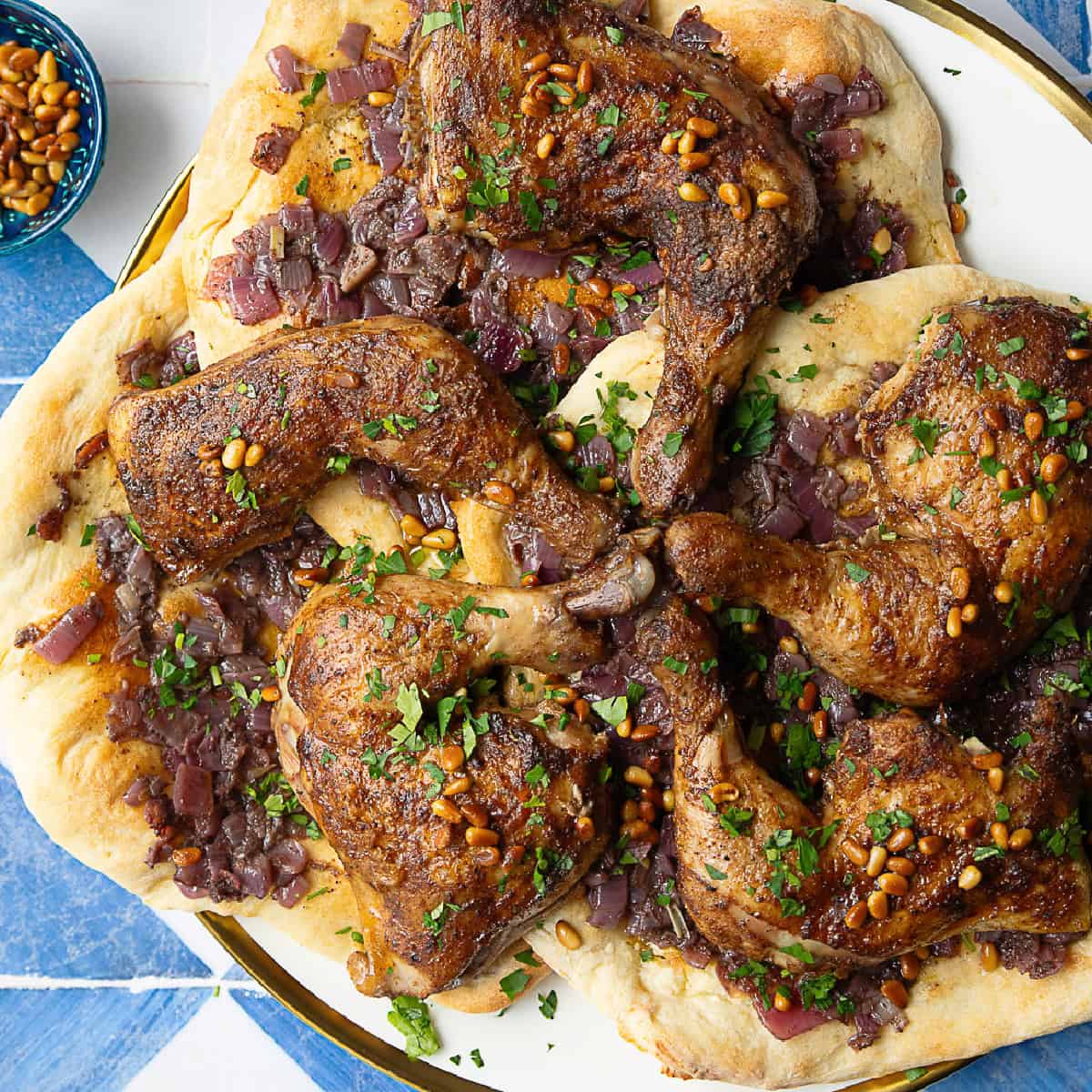
Taste Palestine: Authentic Musakhan's Tangy Sumac Chicken
Imagine a symphony of flavors dancing on your palate: the vibrant tang of sumac, the deep sweetness of caramelized onions, and the succulent richness of perfectly roasted chicken, all nestled atop a warm, tender flatbread drenched in golden olive oil. This is the essence of Musakhan, a culinary masterpiece from Palestine that transcends mere sustenance to become a powerful symbol of identity, hospitality, and heritage. Often hailed as the unofficial national dish, Musakhan offers a taste of history with every delicious bite.
In this article, we invite you on a journey to explore the heart and soul of this iconic dish. We’ll delve into its origins, unravel the magic behind its key ingredients—especially the irresistible musakhan sumac chicken—and provide insights into its profound cultural significance. Whether you're a seasoned foodie or simply curious about authentic Middle Eastern flavors, prepare to be captivated by the story and allure of Palestinian Musakhan.
What is Musakhan? A Culinary Gem from Palestine
Musakhan, sometimes spelled Mussakhan, is far more than just a chicken dish; it's a traditional Palestinian staple steeped in history and communal spirit. Originating from the rural villages, particularly cited from Musmus in the northern West Bank, this dish has become a culinary ambassador for Palestine, beloved across the Levant region and beyond. While not officially designated as the national dish, Musakhan holds an unparalleled place in the hearts of Palestinians, embodying their rich cultural tapestry.
At its core, Musakhan is a celebratory ensemble featuring sumac-roasted chicken, deeply caramelized onions, toasted pine nuts, and a generous drizzle of the finest olive oil, all served over traditional Taboon bread. The flavor profile is a complex yet harmonious blend: the bright, lemony zest of sumac cuts through the richness, while the slow-cooked onions offer an irresistible sweetness that beautifully complements the savory chicken. It’s a dish that traditionally brought families together, often prepared to mark the season of olive oil pressing—a testament to the agricultural bounty of the land and the communal spirit of its people.
Musakhan's versatility is another aspect of its charm. While often served as a grand platter for family gatherings and special occasions, it can also be enjoyed in a more casual format. The luscious musakhan sumac chicken can be shredded into large chunks, mixed with the onions, and then rolled up in thinner saj or pita bread to create delightful Musakhan rolls, perfect for a weeknight supper or a packed lunch.
The Heart of the Dish: Tangy Sumac Chicken & Golden Onions
The magic of Musakhan truly lies in its star components: the sumac-infused chicken and the exquisitely caramelized onions. These two elements, when brought together, create an unparalleled depth of flavor that defines the dish.
The Allure of Sumac Chicken
The musakhan sumac chicken is undoubtedly the centerpiece. Sumac, a crimson-colored spice derived from dried and ground berries of the sumac bush, imparts Musakhan with its signature tangy, slightly fruity, and citrusy flavor. It's an indispensable spice in Middle Eastern cuisine, known for its ability to brighten and lift dishes without the sharp acidity of lemon juice alone.
For Musakhan, chicken pieces—preferably bone-in, skin-on thighs, as their higher fat content ensures the meat remains incredibly moist and flavorful during roasting—are generously coated with a robust spice mixture. This blend typically includes a substantial amount of sumac, alongside fragrant baharat (a versatile Palestinian spice blend that often includes allspice, cardamom, cinnamon, and nutmeg), a touch of lemon juice, and, crucially, a generous glug of premium olive oil. Marinating the chicken, ideally overnight, allows these flavors to deeply penetrate the meat, resulting in a succulent, aromatic, and truly unforgettable sumac chicken experience.
The Sweet Symphony of Caramelized Onions
Complementing the tangy chicken are the deeply caramelized onions. This step is an art form in itself and demands patience, but the reward is immense. Large quantities of sliced onions are slowly cooked in a liberal amount of olive oil—another "golden treasure of the Mediterranean" that is fundamental to Musakhan—until they transform into a soft, golden-brown, almost jam-like consistency. As the onions cook down, their natural sugars develop, creating a rich sweetness that perfectly balances the tartness of the sumac and adds a luxurious texture to the dish.
The combination of the bold, zesty musakhan sumac chicken and the sweet, tender onions is a testament to the thoughtful balance of flavors in Palestinian cuisine. Each element plays a crucial role, building layers of taste that are both comforting and exhilarating.
Beyond the Plate: Musakhan's Cultural Significance and Heritage
Musakhan is far more than just a delicious meal; it is a powerful emblem of Palestinian identity and a cornerstone of their cultural heritage. Its significance stems from deep historical roots and traditions that celebrate community, hospitality, and the agricultural cycles of the land.
Traditionally, Musakhan was prepared to celebrate the olive harvest and the pressing of fresh olive oil. Families and communities would gather, often after a long day of work in the groves, to share this hearty and fulfilling dish. The liberal use of freshly pressed olive oil in Musakhan speaks directly to this tradition, showcasing the bounty of the land and the importance of olive trees in Palestinian life. This communal sharing reinforces bonds and embodies the legendary Palestinian hospitality, where food is a central expression of warmth and welcome.
Passed down through generations, Musakhan carries the stories and memories of countless families. Each bite connects one to a lineage of culinary tradition, offering a tangible link to ancestral customs and the enduring spirit of the Palestinian people. It's a dish that evokes a sense of home, belonging, and pride, serving as a culinary touchstone for Palestinians whether they are in their homeland or scattered across the diaspora. To learn more about how this dish weaves into the national narrative, explore Musakhan: Palestine's Symbolic Sumac Chicken & Cultural Legacy.
Crafting Your Own Musakhan: Tips for a Memorable Meal
Bringing Musakhan to your own kitchen is a rewarding experience. While it involves several steps, none are overly complicated, and the result is well worth the effort. Here are some practical tips to help you create an authentic and memorable Palestinian Musakhan:
- Chicken Prep is Key: For the most flavorful musakhan sumac chicken, marinate your chicken pieces overnight. Coat them thoroughly with sumac, baharat, lemon juice, and olive oil, then cover and refrigerate. This allows the spices to deeply infuse the meat, enhancing both taste and tenderness.
- Patience with Onions: Do not rush the caramelization of the onions. This step is critical for developing their deep sweetness and rich flavor. Cook them slowly over medium-low heat, stirring occasionally, until they are soft, translucent, and a beautiful golden-brown hue. This process can take 30-45 minutes, but it's time well spent.
- The Foundation: Taboon Bread: Traditionally, Musakhan is served on Taboon bread, a rustic flatbread baked in a special oven (taboon). If Taboon bread is unavailable, good quality pita bread or saj bread makes an excellent substitute. The key is to have a flatbread that can absorb the flavorful olive oil, sumac-infused juices from the chicken, and the sweetness of the onions.
- Toasted Pine Nuts: Don't skip the pine nuts! Lightly toasting them in a dry pan until golden brown adds a delightful crunch and nutty richness that complements the other textures and flavors beautifully.
- Liberal Use of Olive Oil: Embrace the olive oil. It's not just a cooking medium but a core flavor component of Musakhan, contributing to its richness and authentic taste.
- Serving Presentation: Traditionally, the Taboon bread is placed on a large platter, topped with the caramelized onions, then the roasted sumac chicken pieces, and finally garnished with toasted pine nuts and a sprinkle of fresh parsley. This communal presentation is part of the experience.
- Make-Ahead & Storage:
- Make-Ahead: As mentioned, marinating the chicken a day in advance significantly enhances flavor. You can also caramelize the onions ahead of time and store them in the fridge.
- Storage: Leftover chicken and onions, once fully cooled, can be stored in a sealed container in the fridge for 3-4 days. Store them separately from the flatbread to prevent it from becoming soggy.
- Freezing: If you have a significant amount of leftover chicken, remove it from the bones and store the meat in an airtight container in the freezer for up to 2-3 months. The bones can even be used for a flavorful stock!
For an in-depth guide on preparing each component, from perfecting the spiced chicken to crafting the perfect flatbread base, delve into Crafting Musakhan: Sumac Chicken, Caramelized Onions & Taboon.
Conclusion
Musakhan is more than just a recipe; it's an edible narrative, a celebration of Palestinian resilience, hospitality, and rich culinary heritage. The vibrant tang of its musakhan sumac chicken, the comforting sweetness of its caramelized onions, and the soul-satisfying foundation of olive-oil soaked bread combine to create a dish that is deeply satisfying and profoundly symbolic. By preparing Musakhan, you're not just cooking a meal; you're partaking in a tradition, bringing a piece of Palestine's vibrant culture and delicious flavors to your table. We encourage you to embrace the joy of creating this authentic dish and share its magic with your loved ones.
