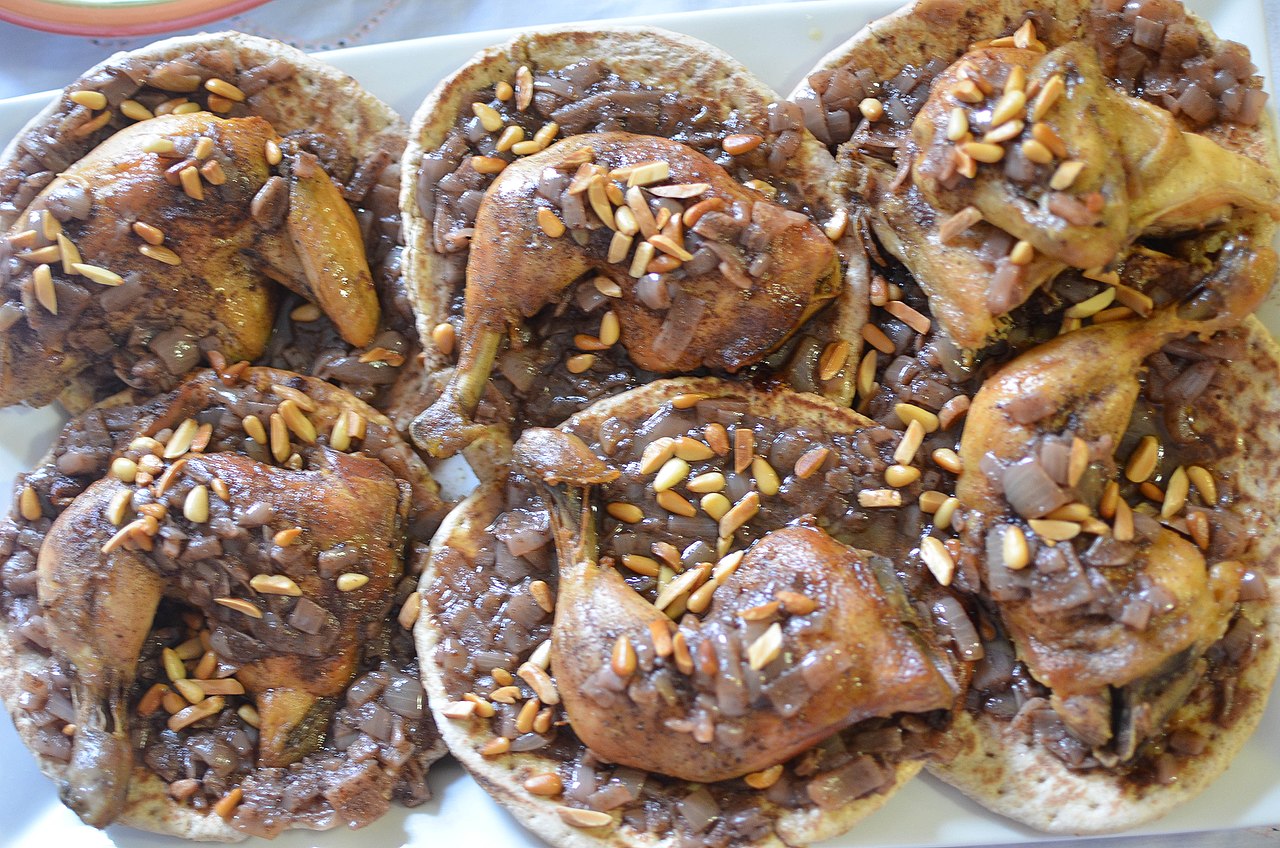
Crafting Musakhan: Sumac Chicken, Caramelized Onions & Taboon
Imagine a dish that encapsulates centuries of heritage, a vibrant tapestry of flavors telling tales of land, community, and tradition. This is the essence of Musakhan, a culinary masterpiece hailing from Palestine, renowned for its irresistible combination of tangy sumac-roasted chicken, deeply caramelized onions, and rustic flatbread. More than just a meal, Musakhan is a celebration of Palestinian identity, a staple that graces tables from humble weeknight suppers to grand family gatherings across the Levant region and beyond. Delve with us into the heart of this iconic dish and discover how to bring the magic of authentic musakhan sumac chicken into your kitchen.
The Soul of Musakhan: A Symphony of Distinctive Flavors
At its core, Musakhan is a harmonious blend of simple yet powerful ingredients, each playing a vital role in creating its unique character. The dish’s allure lies in its bold use of sumac, the meticulous caramelization of onions, and the liberal anointing with golden olive oil. Together, these elements transform ordinary chicken and bread into an extraordinary culinary experience.
Sumac: The Crimson Jewel of Middle Eastern Cuisine
The unmistakable tangy, almost lemony flavor that defines Musakhan comes from sumac, a deep red spice derived from the dried and ground berries of the sumac shrub. In this dish, sumac doesn't just add a zesty kick; it imbues the chicken with a distinctive tartness and a beautiful reddish hue, making the musakhan sumac chicken truly shine. Its bright, fruity notes cut through the richness of the chicken and olive oil, creating a perfectly balanced palate.
Caramelized Onions: Sweetness Through Patience
While sumac provides the tang, caramelized onions contribute a profound sweetness that perfectly complements it. This isn't merely sautéing; it's a slow, patient process where thinly sliced onions are cooked in generous amounts of olive oil until they transform into a golden, jam-like topping. As their natural sugars develop and deepen, they release an intoxicating aroma and create a luscious, tender texture that melts in your mouth. This rich, sweet layer is crucial, providing a beautiful contrast to the chicken's tang and the earthiness of the bread.
Olive Oil: The Liquid Gold of Palestine
No discussion of Musakhan is complete without highlighting the importance of olive oil. In Palestine, olive oil is more than just an ingredient; it's a cornerstone of the economy, a symbol of livelihood, and a testament to the land's bounty. For Musakhan, a good quality, fruity extra virgin olive oil is essential. It's used not only to caramelize the onions but also to coat the chicken and anoint the flatbread, binding all the flavors together and adding a rich, velvety mouthfeel. The season of olive oil pressing is historically intertwined with the very origin of Musakhan, marking a time of communal celebration and abundance.
The Perfect Base: Taboon and Beyond
Traditionally, Musakhan is served atop Taboon bread, a rustic, pliable flatbread baked in a special oven (a taboon) that imparts a smoky flavor and slightly charred spots. This robust bread is designed to absorb all the delicious juices from the chicken and onions. If Taboon bread is unavailable, thin pita bread or even saj bread can serve as excellent alternatives, providing that essential foundation for the flavorful toppings. The bread is often warmed and brushed with some of the sumac-infused olive oil before serving, adding another layer of taste and texture.
Musakhan's Cultural Resonance: More Than Just a Recipe
Musakhan is far more than a delicious meal; it is a profound symbol of Palestinian heritage and identity. While Palestine doesn't have an "officially" designated national dish, Musakhan holds significant cultural and historical importance, often considered the unofficial culinary emblem of the nation. Its origins trace back to the village of Musmus in the northern West Bank, solidifying its place in the heart of Palestinian cuisine. It embodies the spirit of hospitality, the agricultural richness of the land, and the communal bond that defines Palestinian life. To delve deeper into its profound cultural roots, explore Musakhan: Palestine's Symbolic Sumac Chicken & Cultural Legacy.
Traditionally prepared to mark the olive oil pressing season, Musakhan symbolizes abundance and the joyous gathering of families. It’s a dish passed down through generations, each bite telling a story of resilience, community, and the deep connection Palestinians share with their land. Serving Musakhan is an act of love, inviting guests to share in a piece of history and a taste of home.
Crafting Your Own Authentic Musakhan: Tips for Success
Creating an authentic musakhan sumac chicken in your own kitchen is a rewarding experience. While the process requires patience, especially with the onions, the steps are straightforward and designed for delightful results. Here’s how to ensure your Musakhan is as memorable as it is delicious:
Choosing Your Chicken and Preparing the Marinade
- Cut of Choice: Chicken thighs are generally recommended for Musakhan due to their higher fat content, which ensures the meat remains succulent and moist during roasting. However, a whole chicken cut into pieces can also be used.
- The Spice Blend: Beyond sumac, a touch of Baharat (a Middle Eastern spice blend) can elevate the chicken’s flavor profile. Lemon juice is also often included in the marinade, adding another layer of bright acidity.
- Make Ahead Magic: To deepen the flavors and save time on cooking day, marinate your chicken pieces with the sumac, spices, and lemon juice the day before. Cover them well and refrigerate overnight, allowing the flavors to fully permeate the meat.
Mastering the Caramelized Onions
This is arguably the most crucial step for achieving that signature Musakhan sweetness. Don't rush it!
- Generous Oil: Use a substantial amount of good quality olive oil. The onions will essentially confit in the oil, softening and sweetening beautifully.
- Low and Slow: Cook the sliced onions over medium-low heat for at least 30-45 minutes, stirring occasionally. They should slowly turn a rich golden-brown, becoming incredibly tender and jammy, not crispy or burnt. This patience will be amply rewarded with depth of flavor.
- Sumac Infusion: Once the onions are perfectly caramelized, stir in a generous amount of sumac. This infuses the sweet onions with the signature tang, creating the iconic topping.
Assembly and Serving
Once your chicken is roasted to perfection and your onions are lusciously caramelized, it's time to assemble your masterpiece. Lay the flatbread on a large platter, then spoon a layer of the sumac-infused caramelized onions over it. Arrange the tender musakhan sumac chicken pieces on top of the onions. For an authentic touch, sprinkle with toasted pine nuts, which add a delightful crunch and nutty flavor. A final drizzle of fresh olive oil and a squeeze of lemon juice can brighten the entire dish. Musakhan is traditionally served family-style, encouraging communal sharing. Another popular way to enjoy it is by shredding the chicken into large chunks, mixing them with the onions, and rolling them in smaller pieces of saj or thin pita bread to create delicious Musakhan rolls. For an even more authentic experience and a deeper dive into the flavors, explore Taste Palestine: Authentic Musakhan's Tangy Sumac Chicken.
Storage and Freezing Tips
- Refrigeration: Leftover Musakhan, once cooled completely, can be stored in an airtight container in the refrigerator for 3-4 days. It's best to store the chicken and onion mixture separately from the flatbread to prevent the bread from becoming soggy.
- Freezing: For longer storage, remove the chicken from the bones and place the chicken and onion mixture in an airtight, freezer-safe container. It can be frozen for up to 3 months. Thaw overnight in the refrigerator before reheating gently. The bones can be saved to make a flavorful stock!
A Culinary Journey to Palestine
Crafting Musakhan is an experience that transcends mere cooking; it's an invitation to partake in a rich cultural narrative, a journey to the heart of Palestinian culinary tradition. Each bite of the tangy musakhan sumac chicken, sweet caramelized onions, and olive oil-soaked flatbread offers a glimpse into a world of heritage, hospitality, and profound flavors. Whether you're an experienced chef or new to Middle Eastern cuisine, this dish promises a delightful and memorable dining adventure. Embrace the art of Musakhan and bring a truly authentic taste of Palestine to your table.
