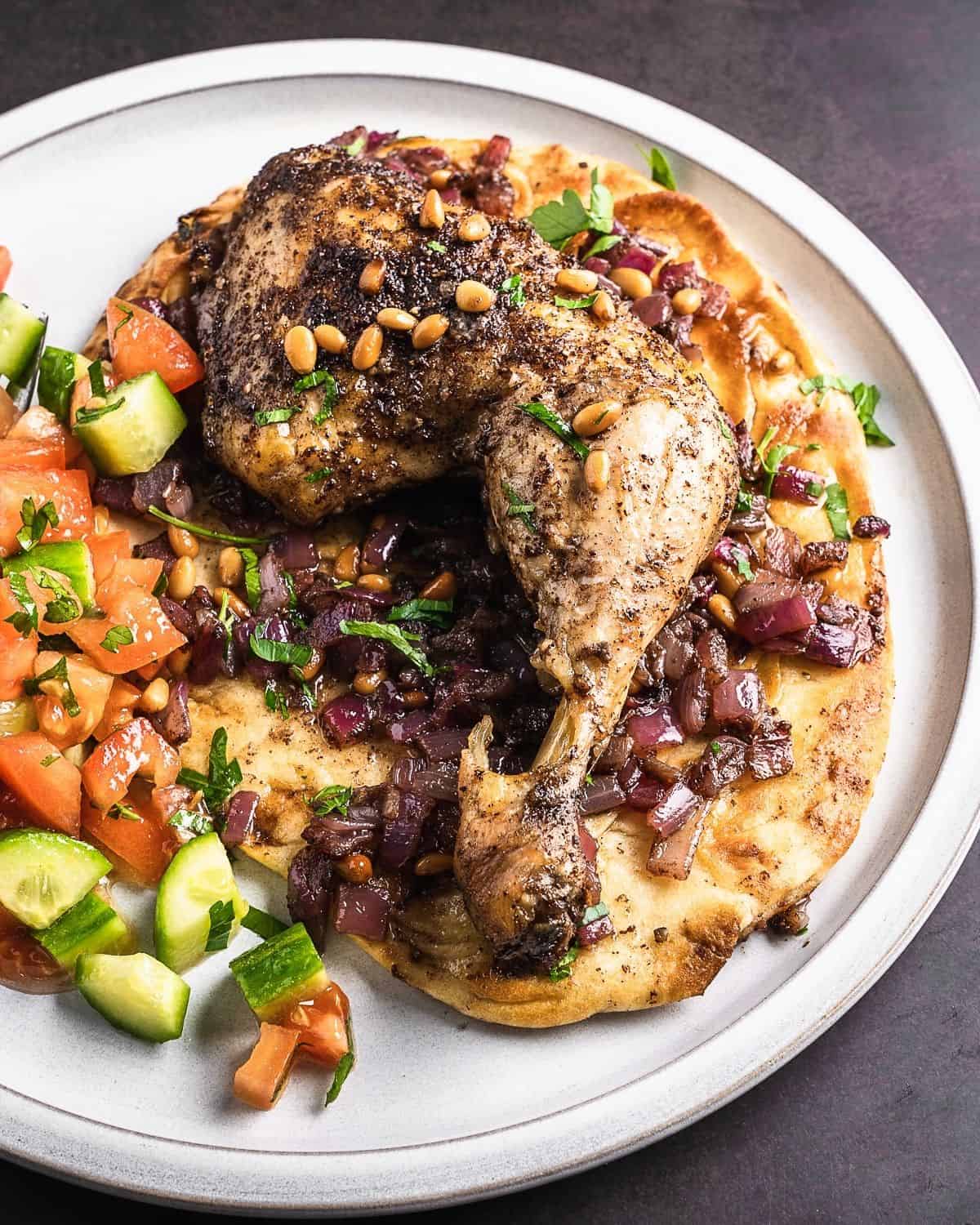
Musakhan: Palestine's Symbolic Sumac Chicken & Cultural Legacy
Imagine a dish that sings with the tangy brightness of sumac, the sweet depth of caramelized onions, and the succulent richness of perfectly roasted chicken, all nestled atop a warm, soft flatbread infused with golden olive oil. This is the essence of Musakhan, a culinary masterpiece that transcends a mere meal to become a vibrant symbol of Palestinian identity, heritage, and hospitality. While not officially designated as the national dish,
Musakhan sumac chicken holds an unparalleled place in the hearts and homes of Palestinians, offering a taste of tradition with every unforgettable bite.
This article delves into the layers of flavor and cultural significance that define Musakhan, guiding you through its origins, essential components, and tips to recreate this iconic dish in your own kitchen. Prepare to embark on a culinary journey that promises not just a delicious meal, but a deeper connection to a rich cultural legacy.
A Culinary Emblem: The Cultural Significance of Musakhan
Musakhan, or mussakhan, is far more than just a recipe; it’s a living testament to Palestinian history, agricultural bounty, and communal spirit. Originating in the village of Musmus in the northern West Bank, this traditional Palestinian dish has become a staple across the Levant and throughout the Middle East. Its widespread presence speaks volumes about its enduring appeal and its role in connecting people across generations.
For Palestinians, Musakhan is intrinsically linked to family gatherings, special occasions, and the cherished ritual of the olive oil pressing season. Historically, it was a celebratory dish marking the end of the olive harvest, a time when the freshest olive oil would be generously incorporated, embodying the land's richness. Sharing a platter of
Musakhan sumac chicken is an act of warmth and generosity, reflecting the deep-rooted values of Palestinian hospitality. It serves as a delicious reminder of home, heritage, and the resilience of a people who find strength and identity in their shared culinary traditions. Its very existence, passed down through generations, is a source of immense pride, making it an unofficial but widely recognized emblem of Palestinian culture.
The Anatomy of Flavor: Key Ingredients and Their Harmony
The magic of Musakhan lies in the careful balance and interplay of its core ingredients, each contributing a distinctive note to the symphony of flavors. Understanding these components is key to appreciating the depth of this iconic
sumac chicken dish.
The Starring Roles:
- Sumac: The Tangy Heartbeat
Sumac is arguably the most crucial ingredient, giving Musakhan its signature tangy, slightly sour, and fruity profile. This vibrant reddish-purple spice, derived from dried and ground sumac berries, provides a distinctive lemony zest without the acidity of actual lemon. It infuses the chicken and onions with an unparalleled brightness that is both refreshing and deeply satisfying. Its liberal use is non-negotiable for an authentic taste.
- Caramelized Onions: The Sweet Foundation
A generous amount of onions, slowly cooked until deeply caramelized, form the sweet counterpoint to sumac’s tang. This slow cooking process allows their natural sugars to develop into a rich, golden-brown lusciousness, creating a tender, flavorful bed for the chicken. The patience required for perfect caramelization is a hallmark of good Musakhan.
- Succulent Chicken: The Protein Core
Typically, bone-in chicken pieces, often thighs for their higher fat content and moistness, are marinated and roasted to perfection. The chicken is usually coated in a spice blend (often baharat, a Middle Eastern spice mix, or a simpler blend of allspice, cinnamon, and pepper), lemon juice, and plenty of sumac and olive oil. As it roasts, it becomes incredibly tender, soaking up all the fragrant spices.
- Taboon Bread: The Essential Base
Traditionally, Musakhan is served atop Taboon bread, a distinctively chewy, rustic flatbread baked in a special clay oven. This bread is crucial for absorbing all the delicious juices and flavored oil from the chicken and onions. If Taboon bread is unavailable, other thin flatbreads like saj bread or even thin pita can be used, though the authentic experience is truly elevated by Taboon.
- Golden Olive Oil: The Unifying Elixir
Given its historical ties to the olive harvest, olive oil is used generously throughout the dish—for caramelizing onions, marinating chicken, and often drizzled over the finished product. Its rich, fruity notes are integral to the Palestinian essence of Musakhan.
- Pine Nuts: The Crunchy Garnish
Toasted pine nuts add a delightful nutty crunch and a touch of elegance, providing a textural contrast that completes the dish.
The interplay between these components—the tang of sumac, the sweetness of onions, the savory chicken, the absorbent bread, and the richness of olive oil—creates a harmonious and deeply satisfying culinary experience.
Crafting the Perfect Musakhan: Tips for the Home Cook
Bringing the authentic taste of
Palestinian Musakhan sumac chicken to your table requires attention to detail, but the process is incredibly rewarding. Whether you’re a seasoned chef or a culinary novice, these tips will guide you in creating a memorable meal. For a deeper dive into the preparation steps and a precise recipe, you might find valuable insights in articles like
Crafting Musakhan: Sumac Chicken, Caramelized Onions & Taboon.
Preparation Pointers:
- Marinate for Maximum Flavor: While you can cook the chicken immediately, for truly profound flavor, cut the chicken into pieces and coat them thoroughly with the sumac, baharat, lemon juice, olive oil, salt, and pepper mixture the day before. Cover well and refrigerate overnight. This allows the spices to deeply penetrate the meat, yielding a more succulent and flavorful roasted chicken.
- Patience with the Onions: The caramelization of the onions is arguably the most critical step. Do not rush it. Cook them slowly over medium-low heat with olive oil, stirring occasionally, until they turn a deep golden-brown and are wonderfully sweet and tender. This can take 30-45 minutes, but the result is worth every minute.
- Choosing Your Chicken: While whole chickens can be used, bone-in, skin-on chicken thighs are often preferred. Their higher fat content ensures the meat remains incredibly moist and flavorful during roasting.
- The Bread Base: If authentic Taboon bread is not available, look for thin pita bread or saj bread. To prepare it, traditionally, you'd warm the bread, then brush it liberally with some of the oil and juices from the cooked onions and chicken before layering. This ensures the bread is infused with flavor and becomes beautifully soft and pliable.
- Toasted Pine Nuts: Don't skip this step! Lightly toast the pine nuts in a dry pan until fragrant and golden. They add a crucial textural element and a subtle nutty flavor that complements the dish perfectly.
Serving and Storage:
- Traditional Presentation: Musakhan is often served family-style on a large platter, with the bread at the bottom, topped with a generous layer of caramelized onions, then the roasted sumac chicken pieces, and finally sprinkled with toasted pine nuts and fresh parsley. A wedge of lemon on the side offers an extra burst of freshness.
- Musakhan Rolls: A popular variation, especially for parties or a more casual meal, is to shred the roasted chicken and mix it with the caramelized onions. This mixture is then rolled up in thin flatbread (saj or pita) to create delicious Musakhan rolls, which can then be lightly toasted or baked.
- Make-Ahead: As mentioned, the chicken can be marinated overnight. The caramelized onions can also be made a day in advance and gently reheated.
- Storing Leftovers: Leftover chicken and onions, once cooled, can be stored in an airtight container in the fridge for 3-4 days. Store them separately from the flatbread to prevent it from becoming soggy.
- Freezing: You can remove the chicken from the bones and freeze it along with the onion mixture in an airtight container for up to 2-3 months. Thaw in the refrigerator and reheat gently.
For an authentic exploration of its tangy sumac chicken and cultural depth, delve deeper into resources like
Taste Palestine: Authentic Musakhan's Tangy Sumac Chicken.
Conclusion
Musakhan is more than a culinary creation; it is a profound expression of Palestinian identity, resilience, and the joy of shared heritage. From the tangy burst of sumac to the sweet whisper of caramelized onions and the comforting embrace of olive oil-soaked bread, every ingredient tells a story of the land and its people. Preparing this dish is not just cooking; it's an act of cultural immersion, bringing a piece of Palestine's rich traditions to your own table. We encourage you to try your hand at crafting this symbolic dish, to savor its unique flavors, and to experience the warmth and history it embodies. Musakhan is truly a testament to how food can nourish not only the body but also the soul, leaving a lasting impression and a desire for more.